




05 Mar Restoring Forests, Reviving Threatened Species in the Ecuadorian Chocó (Phase 2)
Restoring Forests, Reviving Threatened Species in the Ecuadorian Chocó: Science-Based Reforestation and Community Conservation (Phase 2)
Partner: Fundación para la Conservación de los Andes Tropicales (FCAT)
Years: 2025-2028, Phase 2
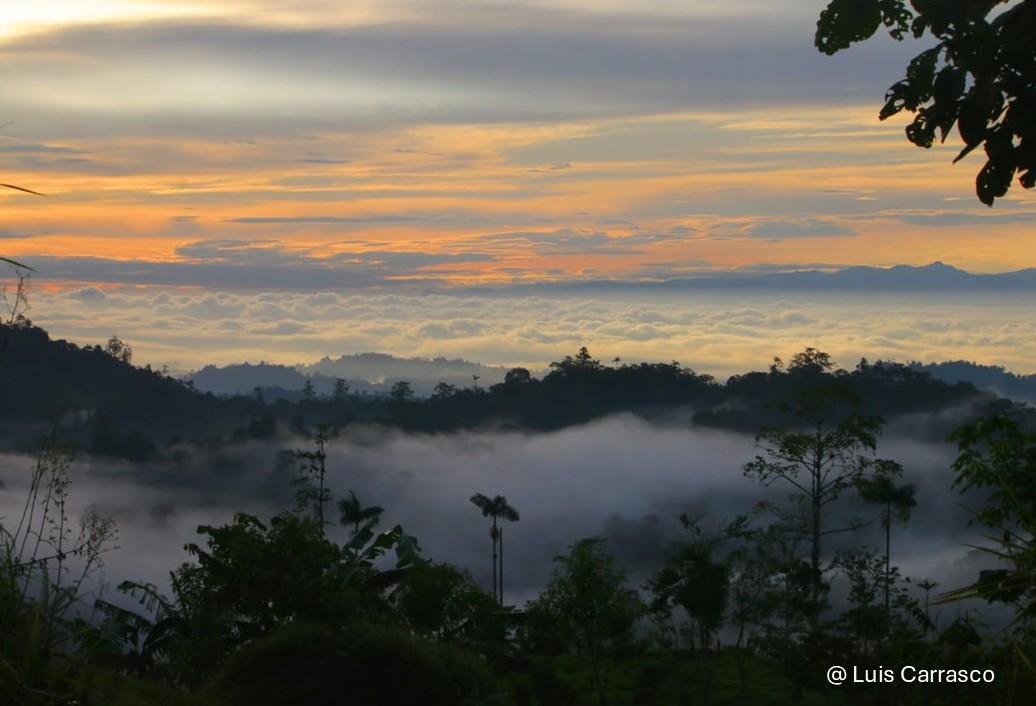
This project led by Fundación para la Conservación de los Andes Tropicales (FCAT) aims to restore 122 hectares of degraded tropical forest in the Chocó region of northwestern Ecuador, with a focus on conserving Cedrela angusticarpa (not yet formally assessed by the IUCN Red List but is expected to be classified as Critically Endangered) and 15 additional threatened species.
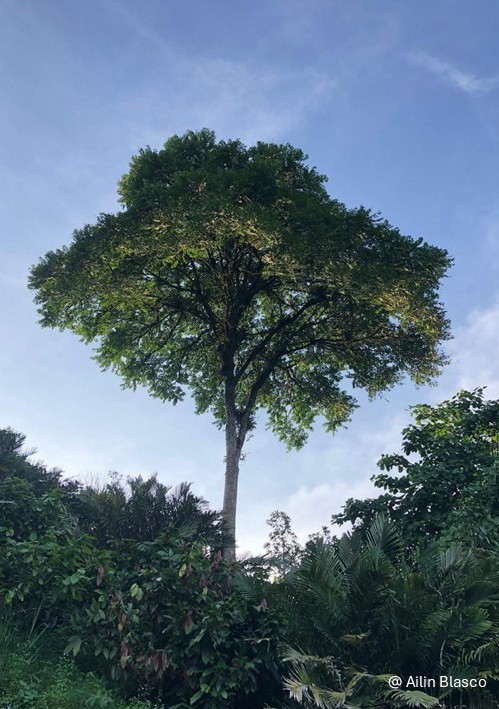
Cedrela angusticarpa
This project builds on a successful first phase. FCAT is using a science-based approach, favouring natural regeneration, and is also planting 6,000 trees across 116 restoration islands and 80 agroforestry farms across the Bilsa-FCAT Cube biological corridor, including approximately 3,800 individuals of threatened trees. All seeds are sourced from local wild populations to preserve genetic integrity and ensure ecological adaptation.
The project integrates participatory ecological monitoring led by local youth, documenting survival and recruitment dynamics to guide adaptive restoration practices. FCAT is training farmers and landowners in seed propagation and tree monitoring, building long-term conservation capacity.
Results and best practices are disseminated through workshops, publications, and a regional Chocó Alliance Summit, fostering collaboration among NGOs, universities, and the Ministry of Environment. In addition, FCAT is co-organizing an event in Quito with other organisations involved in tree conservation and Fondation Franklinia partners to explore the potential integration of threatened tree species into the definition of Key Biodiversity Areas (KBAs) and to promote collaborations with the Ecuador Plant Specialist Group.
By combining ecological science with community empowerment, this initiative contributes to Ecuador’s National Forest Restoration Plan (2019–2030) and offers a scalable model for forest recovery in one of the world’s most threatened biodiversity hotspots.
Other species that will benefit from this project include: Aspidosperma pichonianum (VU), Browneopsis disepala (EN), Clavija parvula (CR), Connarus ecuadorensis (CR), Gonzalagunia dodsonii (VU), Gustavia serrata (EN), Handroanthus chrysanthus (VU), Hernandia lychnifera (EN), Mosannona pacifica (EN), Pouteria capacifolia (EN), Simira standleyi (EN), Swartzia littlei (EN).