




17 Mar Long-term conservation of the Araucaria araucana forests in Argentina (Phase 2)
Long-term conservation of the Araucaria araucana ecosystem with a biocultural approach (Phase 2)
Partner: Asociación de Amigos de la Patagonia
Years: 2025-2028, Phase 2
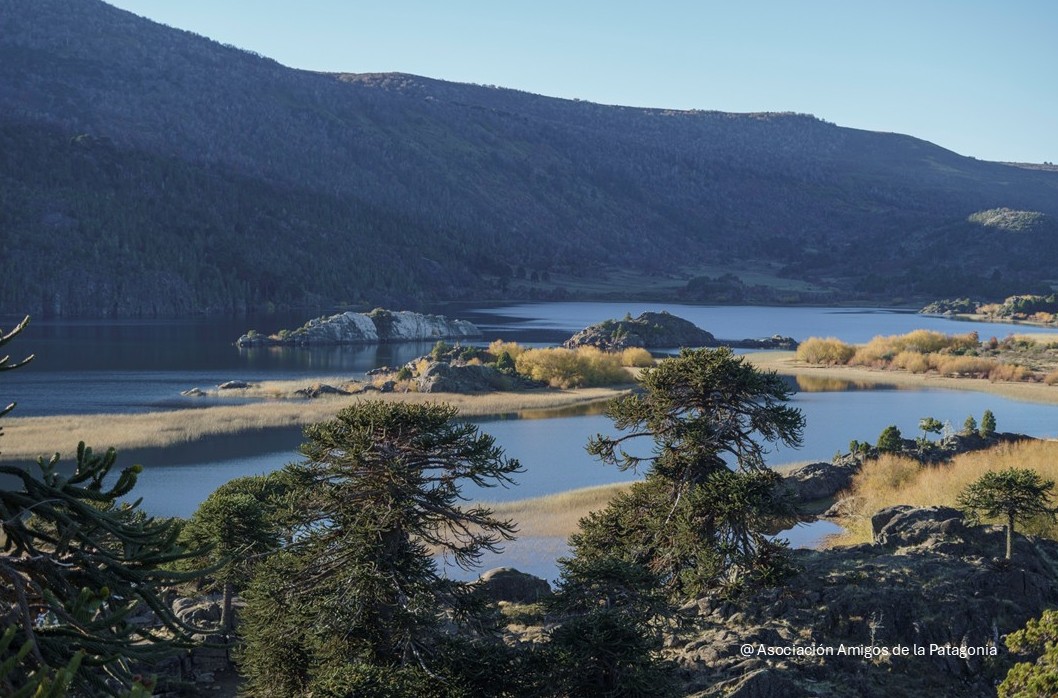
The Araucaria-Nothofagus forest in northern Patagonia is a biocultural ecosystem of global significance, increasingly threatened by wildfires, invasive species, habitat degradation, and climate change. The flagship species of this initiative is Araucaria Araucana (EN) and the conservation effort is led by a consortium of partners including Lanin National Park, Asociación de Amigos de la Patagonia, Pewenche Zonal Council, Neuquén Provincial Department of Native Forest, and Council and Interstadual Pulmarí Corporation.
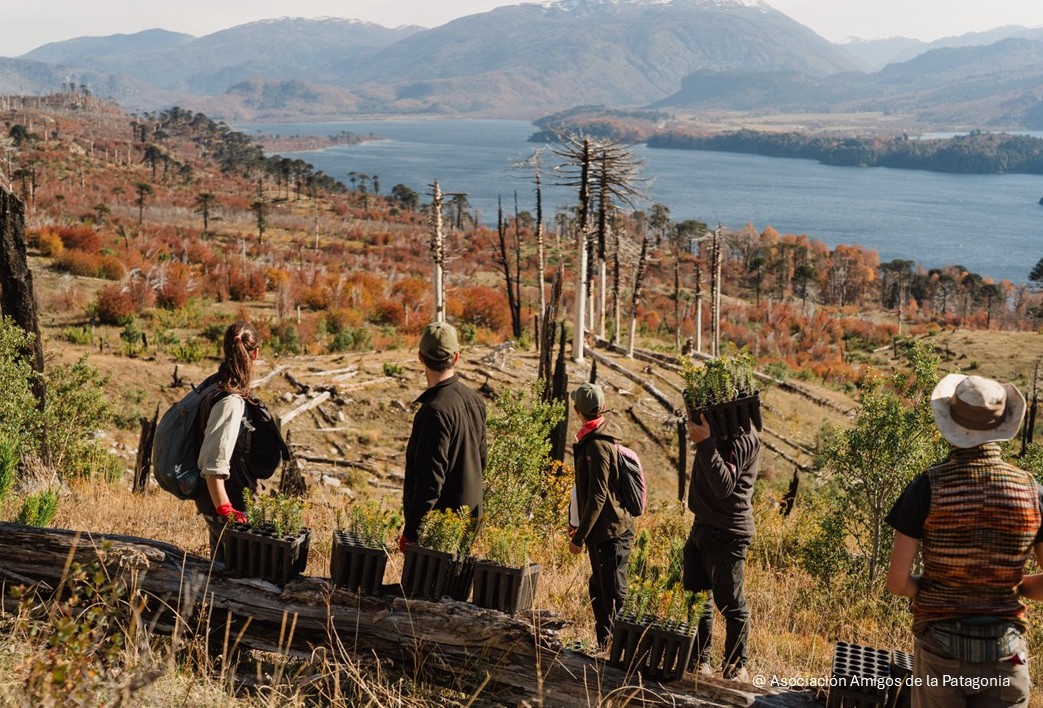
This project builds on the success of a prior Franklinia-funded initiative (2021–2024), which restored 100 ha of Araucaria forest, removed invasive pines, protected forest patches, and strengthened Mapuche-led conservation through six trained “Protectores del Pewen” teams.
This new phase (2025–2028) aims to expand ecological restoration, safeguard high-conservation-value forests, and foster social commitment through intercultural education and wildlife monitoring. Activities include producing and planting 20,000 native seedlings, fencing priority sites, controlling pine invasions, and implementing camera-trap surveys across 69,000 ha to assess populations of threatened mammals (supported by matching funds).
The expected outcomes include improved seedling survival (≥60%), 3,000 ha protected from pine invasion, enhanced fire prevention, and greater local engagement through rural and urban school programs, audiovisual outreach, and a growing digital presence. A cross-border biocultural conservation framework is also developed with Chilean partners.
By combining traditional knowledge and science, the project seeks to ensure long-term recovery of Araucaria forests and the protection of their rare biodiversity and cultural values.