





20 Mar Kewiña Conservation in Bolivia’s Tunari National Park
Kewiña Conservation in Bolivia’s Tunari National Park
Partner: Asociación Faunagua
Years: 2026-2028
Kewiña is the most commonly used Quechua term in Bolivia for native high-Andean trees and shrubs of the genus Polylepis, which form rare forest ecosystems critical for biodiversity, water regulation, and climate resilience.
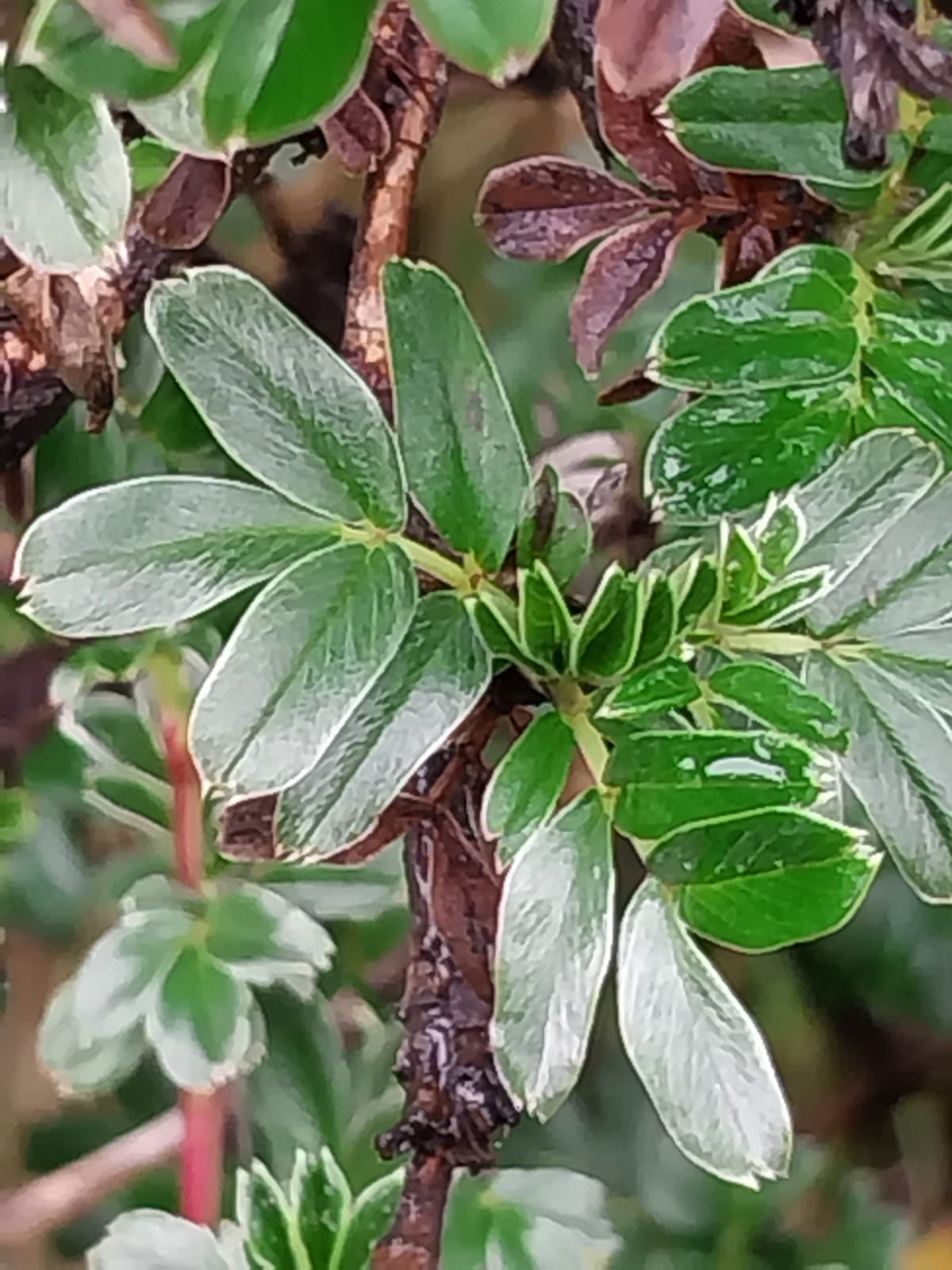
Polylepis pepei
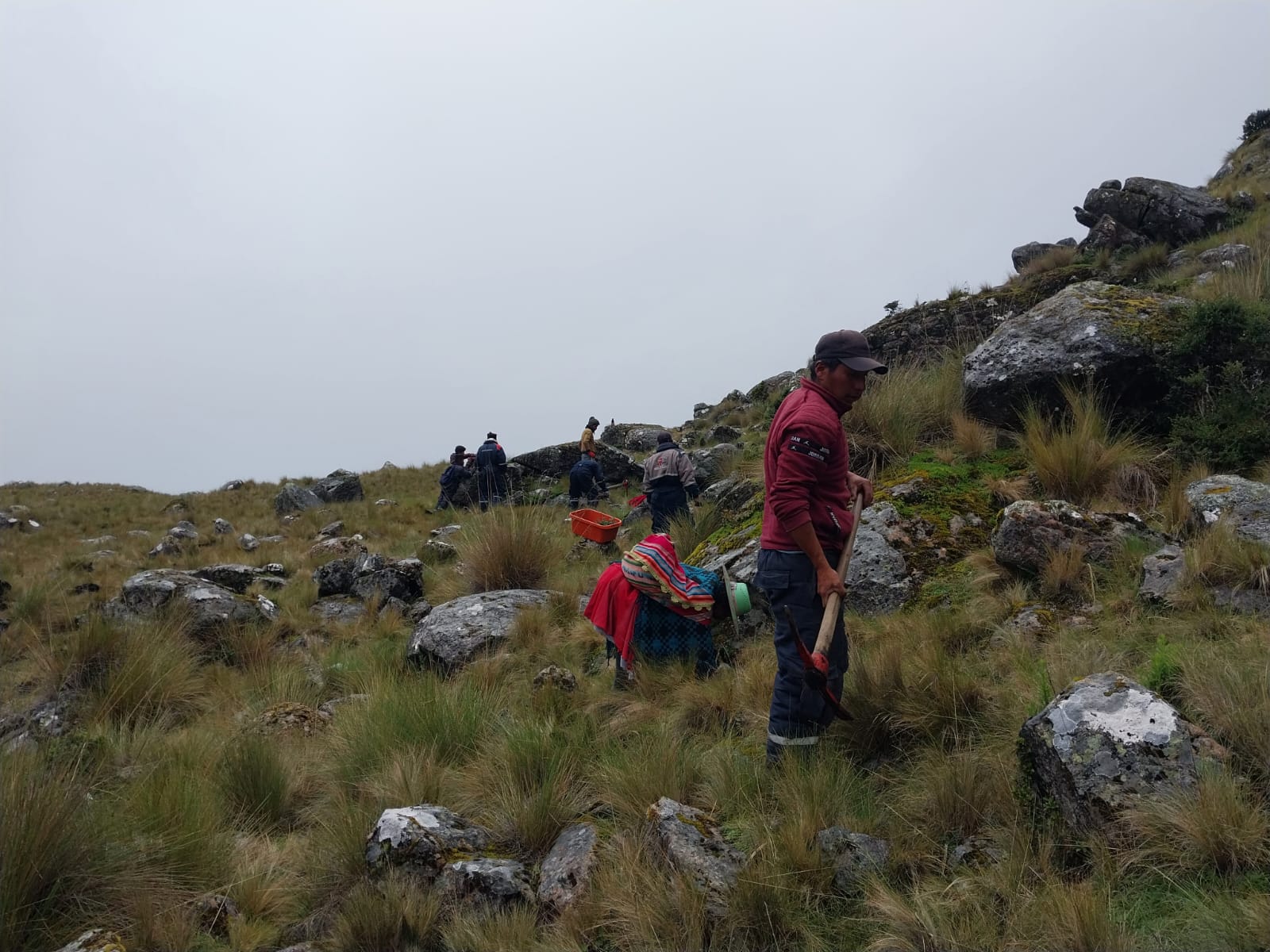
This three-year project is restoring and protecting Polylepis pacensis (EN) and Polylepis pepei (EN) forests in three highland communities on the northern slopes of Tunari National Park, Cochabamba, Bolivia.
The project aims to restore at least 10-12 hectares of degraded habitat by planting 50,000 native saplings, while strengthening two community-run nurseries and training 30 local residents in nursery management, seed collection, and restoration techniques. With additional matching funds, an estimated 100,000-200,000 Polylepis trees will be planted across priority restoration sites, further expanding the project’s ecological reach. Participatory research on fire use is to be conducted to reduce threats to existing forest patches and guide community-driven fire management strategies. The project team monitors seedling survival and land-use change to track outcomes and inform future restoration planning and implementation.
Rooted in community leadership and socioeconomic sustainability, this initiative integrates forest restoration with income generation, skill-building, and watershed protection. It is part of Faunagua’s long-term vision to support community-based conservation and forest governance in the Tunari highlands of Bolivia.