




17 Mar Holistic Conservation of the Arboreal Treasures of the Juan Fernandez Archipelago, Chile (Phase 2)
Proyecto Neriifolia Phase II: Holistic Conservation of the Arboreal Treasures of the Juan Fernandez Archipelago, Chile (Phase 2)
Partner: Island Conservation
Years: 2025-2028, Phase 2
This conservation project in the Parque Nacional Archipelago Juan Fernández on Robinson Crusoe Island, Chile builds on past successes achieved through Fondation Franklinia’s support to Island Conservation and aims to protect and restore the island’s threatened endemic tree species through seed banking, reforestation, and invasive species management.
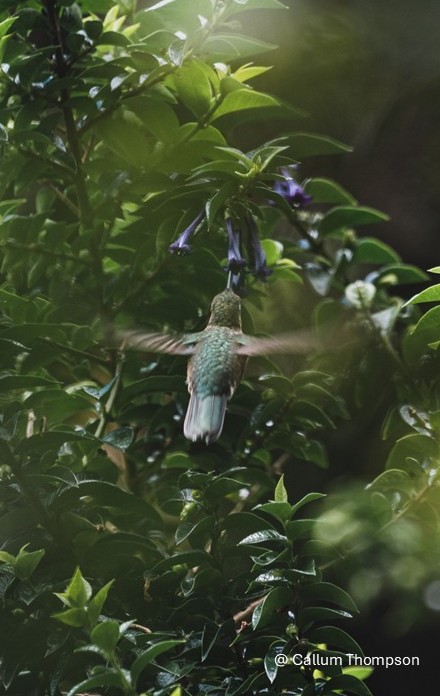
Rhaphithamnus venustus
Building on its first phase, this project will focus on collecting seeds from all 12 Endangered or Critically Endangered tree species on Robinson Crusoe Island – Boehmeria excelsa (CR), Coprosma pyrifolia (EN), Cuminia eriantha (CR), Dendroseris litoralis (CR), Dendroseris neriifolia (CR), Dendroseris pruinata (CR), Drimys confertifolia (EN), Juania australis (CR), Nothomyrcia fernandeziana (CR), Rhaphithamnus venustus (EN), Sophora fernandeziana (CR), Zanthoxylum mayu (CR). It complements existing efforts with upgrades to, and an expansion of, the existing seed bank facility (including an autonomous energy system). Island Conservation conserves at least 5,000 seeds and propagate 6,200 native plants (including 4,000 seedlings from nine threatened tree species). They will also increase the area of previous interventions.
The project team builds on its previous work at the Plazoleta el Yunque forest by reducing forest fragmentation and creating a two-hectare contiguous parcel of threatened trees where invasive species are controlled and threatened trees are planted. It maintains previously established exclusion plots and remove invasive plants, while mitigating erosion and forest fire risks. Adjacent to this site, Island Conservation manually controls invasive plants and creates individual shelters for naturally regenerating trees, protecting up to 500 naturally occurring seedlings over the course of the project, and supports natural resource managers and users in tackling the impacts of livestock in key tree conservation areas.