





17 Mar Conserving the threatened tree flora of Grand Bois National Park, Haiti
Conserving the threatened tree flora of Grand Bois National Park, Haiti
Partner: Haiti National Trust
Years: 2026-2028
The plant family Melastomataceae, particularly the genera Meriania and Axinaea, play a crucial ecological role in tropical cloud forests. However, their taxonomy, distribution, and conservation status remain inadequately studied. By combining field research with practical conservation applications, the New York Botanical Garden (NYBG) promotes the preservation of ecologically significant, yet threatened, Melastomataceae trees.
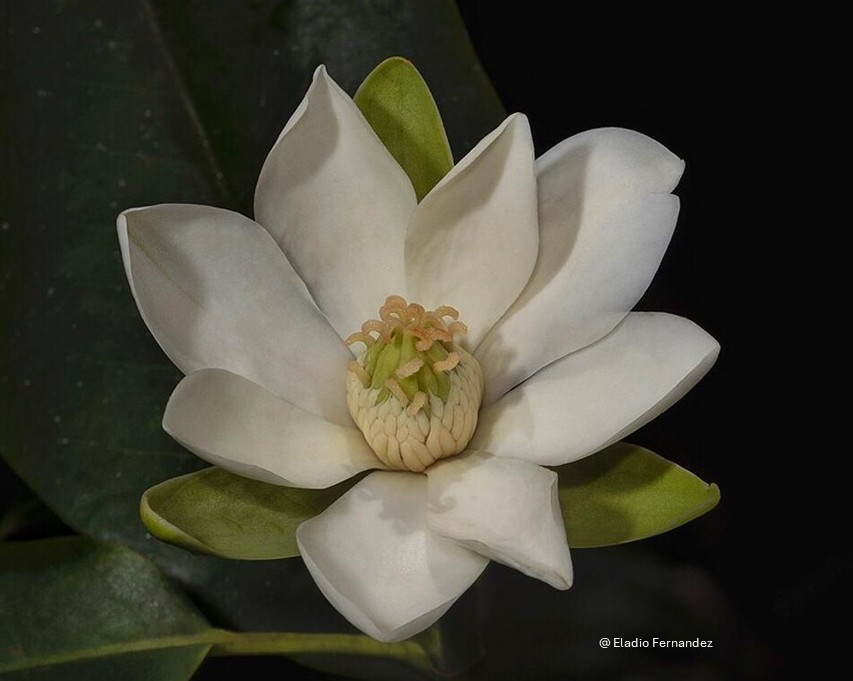
Magnolia ekmanii
This project aims to improve the conservation status of 21 threatened tree species by restoring degraded lands, enhancing in situ and ex situ protection, and generating valuable ecological data to direct and support long-term management. Over three years, HNT is planting 150,000 native seedlings, including 5,000 threatened and 45,000 non-threatened species annually*, restoring 30 hectares of degraded land using assisted natural regeneration and invasive species removal, while strengthening nursery operations and ensuring community participation.
Six trained rangers are patrolling 60 ha of protected areas, using the SMART (Spatial Monitoring and Reporting Tool) system. The team delivers a draft Tree Conservation Action Plan, a list of species lacking IUCN Red List assessments for submission to the Global Tree Assessment Group, and a floristic study manuscript.
*Target threatened species in this project are: Magnolia ekmanii (CR), Myrcia neohotteana (CR), Ternstroemia barkeri (CR), Illicium hottense (EN), Meriania parvifolia (EN), Miconia abscondita (EN), Miconia ayisyena (EN), Myrcia tiburoniana (EN), Picramnia dictyoneura (EN), Pinus occidentalis (EN), Rondeletia formonia (EN), Rustia haitiensis (EN), Symplocos hotteana (EN), Tabebuia conferta (EN), Varronia badaeva (EN), Wallenia formonensis (EN), Guarea sphenophylla (VU), Persea oblongifolia (VU), Psychotria holoxantha (VU), Sapium haitiense (VU), Zanthoxylum venosum (VU).